





Pure water cleaning technology has changed window cleaning by removing most dissolved minerals and impurities from the water before it reaches the glass. This helps reduce mineral deposits and water spots, allowing the windows to air-dry with a clear finish when operators use the correct cleaning technique.
Traditional methods involve using buckets, detergents, and squeegee to wash the windows. Water fed poles are another means of washing windows externally, especially from elevated floors. The only thing that differentiates these two methods is the right combination of equipment and water without minerals.
What Makes Pure Water Different from Tap Water?
Tap water contains dissolved ions such as calcium and magnesium. These ions remain on the surface of the glass when the tap water evaporates and leaves marks. It needs cleaning through removal of dissolved materials before it can be washed.
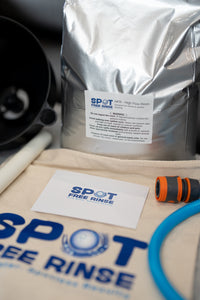
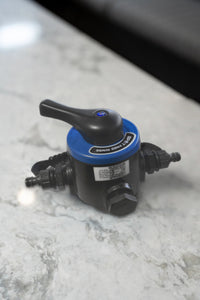
Deionisation is a process that utilises the resin to remove dissolved ions from the water. The total dissolved solids meter, commonly called a TDS meter, is used to measure the dissolved material left. This measurement is helpful for operators to know the performance level and determine the time to replace the resin.
The concept behind modern window cleaning methods is simple: loosen the dirt, rinse the contamination and avoid leaving mineral marks. The brush takes care of the physical cleaning, while water decides the quality of the rinse.
How Has Pure Water Cleaning Technology Evolved?
The shift has also led to a change in the equipment used and how the operators complete their job on each window. Water is conveyed through a hose to the brush head by a water fed pole, enabling the operator to wash the glass and the frames from the ground where reach is available.
There are five practical reasons behind the use of this technology in exterior glass cleaning:
- Less finishing processes: The final rinse dries up clean, eliminating the need for squeegeeing in routine on applicable exterior windows
- Access from the ground: Telescopic poles reach a lot of upper windows without making the operator climb a ladder
- Cleaning of frames: The brush washes the sills and frames, which helps get rid of any dirt that may drip onto the clean glass
- Controlled rinsing: Operators can control how they distribute the water on the surface
- Less dependence on detergents: Pure water is used in the final rinse without leaving any detergent residue on the glass
The technique still requires proper technique. The frames must be treated before the last rinse of the glass, and very dirty surfaces might require additional scrubbing. A quick rinse or depleted resin might result in marks even with appropriate equipment.
Where Do Purified Water Cleaning Systems Offer the Most Value?
Purified water cleaning systems work well for various exterior cleaning operations, so long as the right equipment is chosen for each surface. This water purification process works not only on home windows.
- Windows in residential homes: Clean upper-floor glass while standing firmly on the ground
- Glazing in commercial buildings: Clean the shop windows and exterior glass in the building
- Glass balustrades: Clean exterior glass balustrades using purified water that does not leave any mineral residue
- Solar panels: Use water fed pole solar panel cleaning to remove surface dirt with a suitable brush and purified water, following the manufacturer's guidelines
- Glass doors: Clean the exterior glazed doors and their frames using the same brush and rinsing method
- Glazing in conservatories: Clean upper or elevated glass surfaces using equipment that is fit for the working height
- Vehicle glass: Use purified water for the final rinse when equipment is fit for the vehicle
The water fed window cleaning systems depend on the length of the pole, brush design, and water supply. The operator requires equipment that will access the work area without affecting its performance. The water fed pole collection gives details about the parts and functions.
Keeping The Technology Working as Intended
Results can be influenced by the state of the equipment, and not only the method of cleaning. Pure water cleaning technology depends upon efficient filtration and water connections and analysis of the water from the tank.
It is necessary to control one’s equipment and respond to the changes in water quality. Higher levels of TDS imply that the resin should be checked.
Water fed pole system requires proper maintenance as well. One should check water connections in hoses, clean the blocked brush jets and take out the grit from the equipment after each use. Equipment must be stored as required in its manual.
A Different Standard for Exterior Glass
Pure water has revolutionised the last phase of window cleaning. Rather than manually getting rid of the water, the operator is left with the mineral-free rinse to air-dry. This will minimise the finishing process, while at the same time preventing water spots.
Pure water cleaning technology used in pure water cleaning has made it easy for the homeowner and professionals to clean their external glasses with ease. It is worth noting that the success of this form of cleaning depends on the combination of good water quality, good reach, and proper cleaning procedure.
If you wish to make changes to the window cleaning equipment you use, feel free to contact Spot Free Rinse for expert advice on the right equipment that you can use.